MEDIA & PROJECTS
A Home Designed to Be Felt: Inside Molly Burke's Elegant Yaletown Condo Transformation
By Pravada Insiders
Photography by Onikon
There is a quiet confidence to Molly Burke's Yaletown condo. Tucked within one of Vancouver's most sought after neighbourhoods, the home is neither defined by trends nor designed to impress at first glance. Instead, it reveals itself through thoughtful details, tactile materials, and an unwavering commitment to accessibility. The result is an interior that feels timeless, deeply personal, and effortlessly sophisticated. For Burke, who has been blind since childhood, the renovation was never about simply updating finishes or modernizing the space. It was about creating a home that reflected her lifestyle while supporting complete independence. Every design decision, from the floor plan to the smallest finishing detail, was guided by one central idea: great design should enhance the way people live.

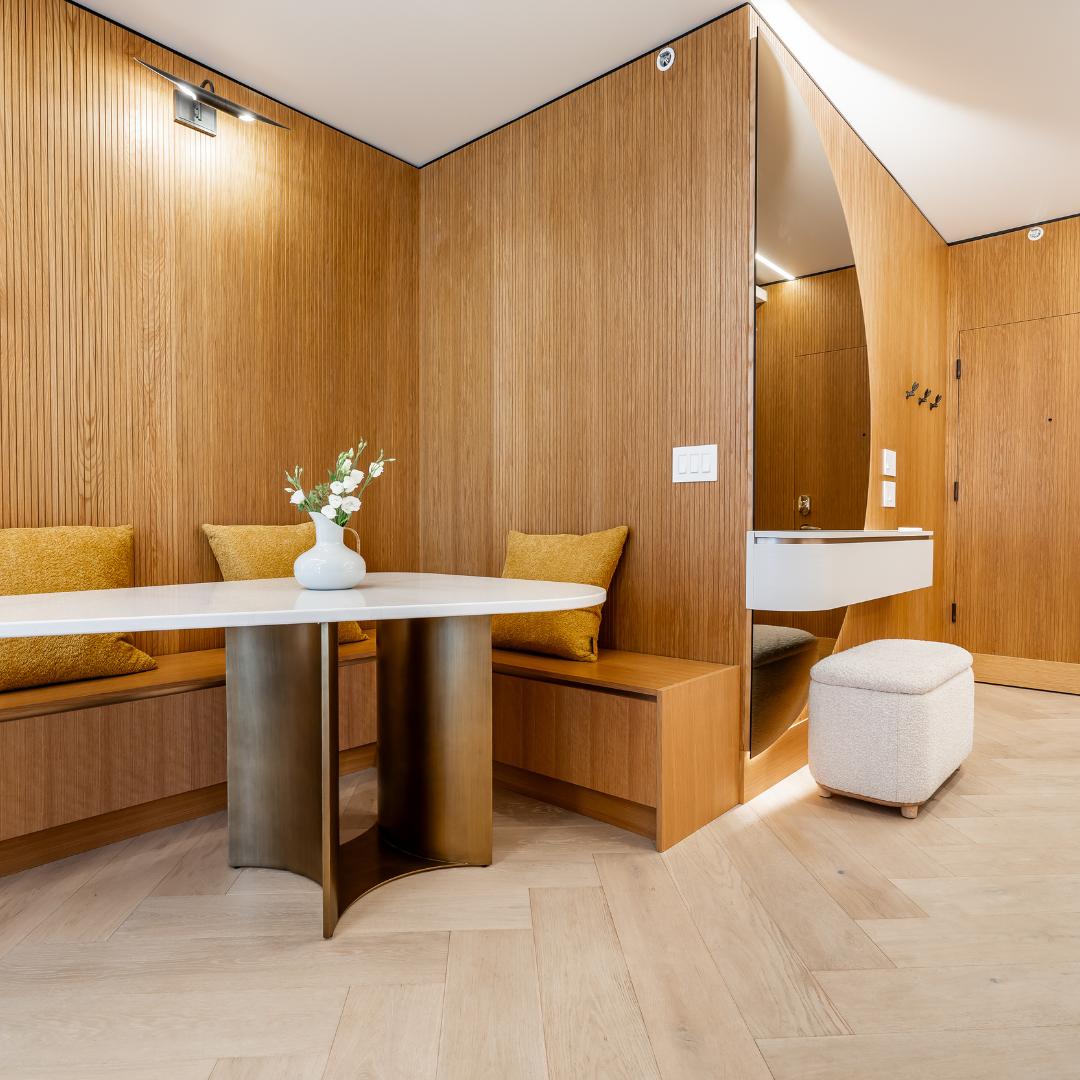
The renovation began with a careful reconsideration of how the condo functioned. Rather than filling rooms with unnecessary furnishings, the layout embraces openness and clarity. Wide circulation paths allow effortless movement between spaces, while thoughtfully positioned furniture creates natural landmarks that make navigation intuitive. The home feels expansive without being minimal, proving that simplicity can be both practical and luxurious. Every piece has a purpose, creating an environment that is calm, organized, and remarkably functional.


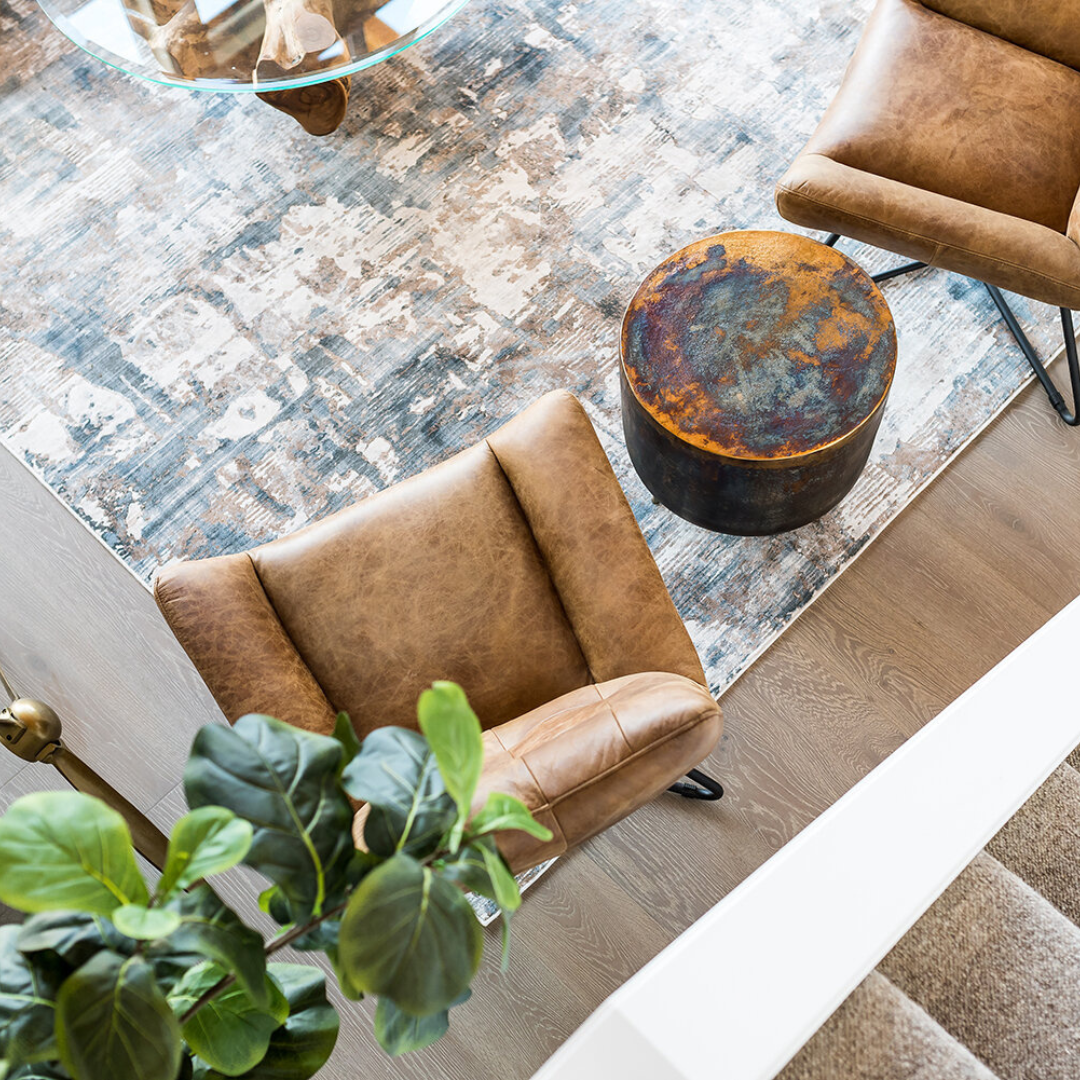
The condo's understated colour palette allows texture to become the focal point. Warm oak flooring grounds the interior, while natural stone, matte finishes, soft upholstery, and woven textiles introduce subtle layers of depth.Instead of relying on bold colours or decorative excess, Burke's home demonstrates how materiality can create warmth and visual interest. Sunlight filtering through expansive windows highlights each carefully selected surface, giving the apartment an atmosphere that feels serene throughout the day. The restrained palette also ensures the space remains timeless, avoiding design trends that may quickly feel dated.

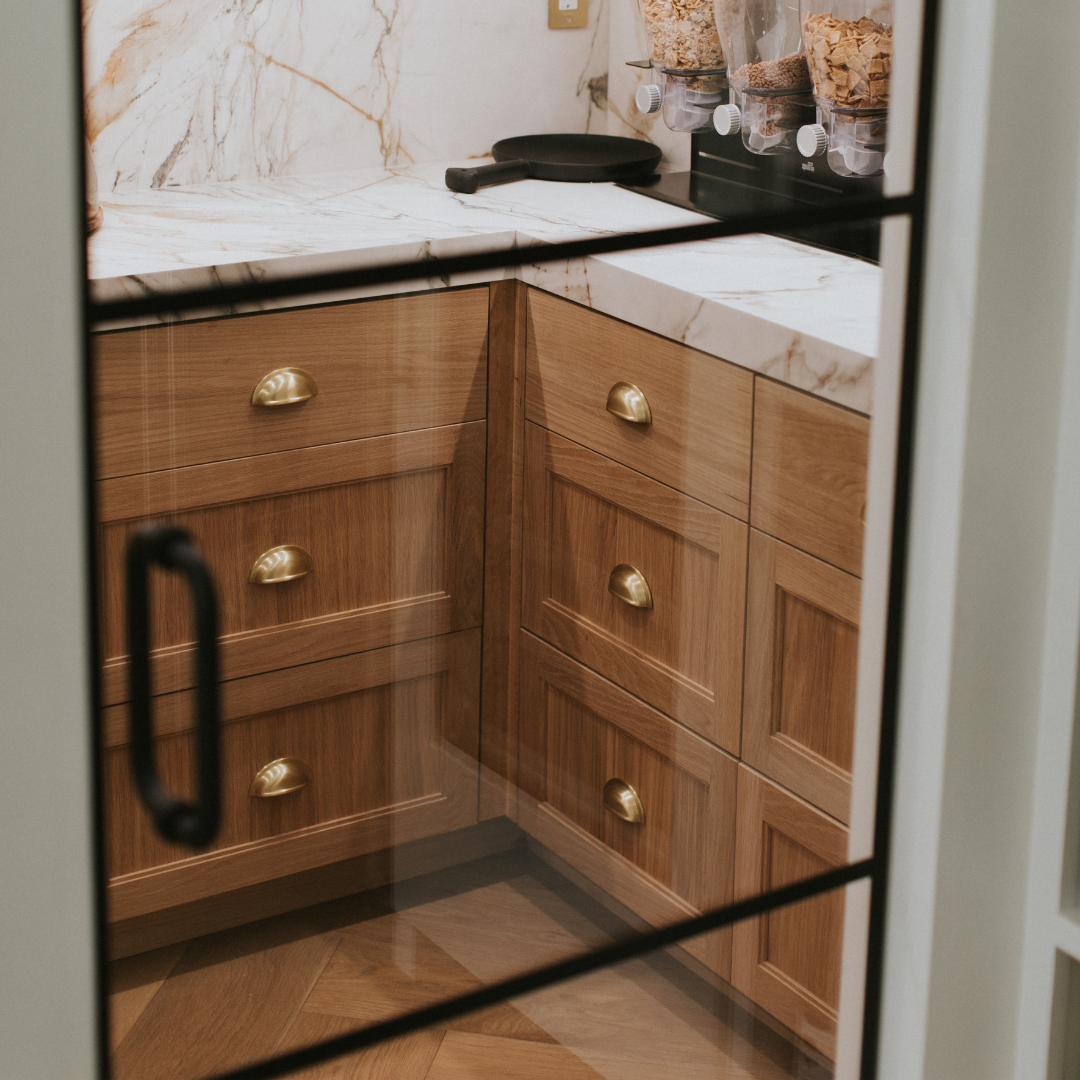
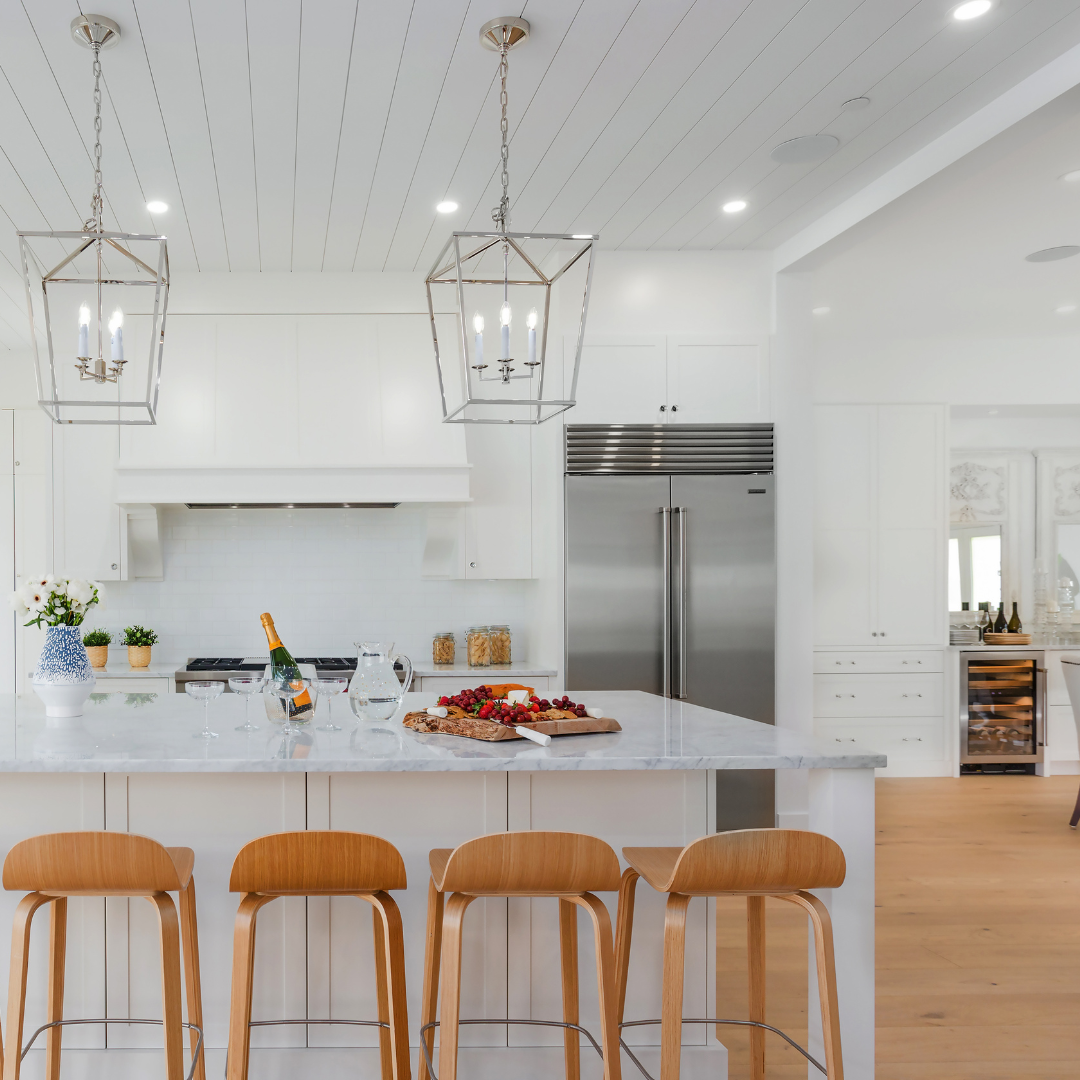
The kitchen exemplifies the project's philosophy of integrating accessibility with exceptional design. Custom cabinetry maximizes storage while maintaining clean architectural lines, and the layout has been carefully planned to make everyday cooking intuitive and efficient. Appliances are positioned for ease of use, countertops provide generous workspace, and organizational systems ensure frequently used items remain within easy reach. Nothing appears overtly specialized, yet every element contributes to a more independent living experience. Rather than compromising aesthetics, these practical considerations elevate the kitchen, creating a space that is equally suited for preparing everyday meals or entertaining guests.

Luxury in Burke's home is not measured by extravagance or excess. Instead, it is found in personalization, craftsmanship, and thoughtful problem solving. Every room reflects a careful balance between elegance and usability, proving that accessibility can enhance rather than limit sophisticated design.The renovation also challenges long held misconceptions surrounding accessible interiors. Instead of appearing clinical or utilitarian, the condo feels warm, contemporary, and inviting. It demonstrates that universal design principles can seamlessly integrate into high end residential architecture without sacrificing beauty.


Molly Burke's Yaletown condo is more than a successful renovation. It is a compelling example of how design can improve everyday life while remaining visually exceptional. By prioritizing accessibility from the very beginning, the project transforms the home into a space that celebrates independence, comfort, and individuality. In many ways, the renovation represents the future of interior design. As homeowners increasingly seek spaces tailored to their unique lifestyles, Burke's condo stands as a reminder that the most meaningful homes are not those designed for perfection, but those designed for the people who live in them. Here, accessibility is not an added feature. It is the foundation of truly great design.
READ MORE